When a new generation of earbuds is released, the expectations are pretty clear: better sound, smarter features, or upgrades that make spending more worthwhile.
However, these upgrades aren’t always as significant as they appear, and that’s the situation buyers find themselves in when comparing the Buds Air 7 to the newer Buds Air 8.
On paper, the differences look minimal. But in real life, some changes can be more impactful than others.
So, the real question isn’t just about which one is the latest — it’s about which one offers the best value for your money in 2026.
Here’s a straightforward comparison to help you make an informed decision.
Design & Build
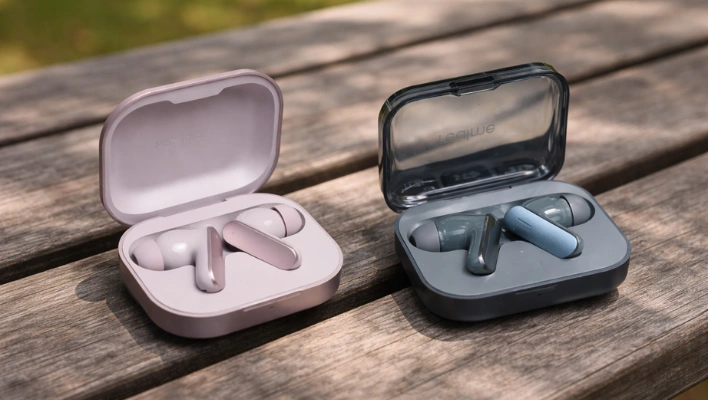
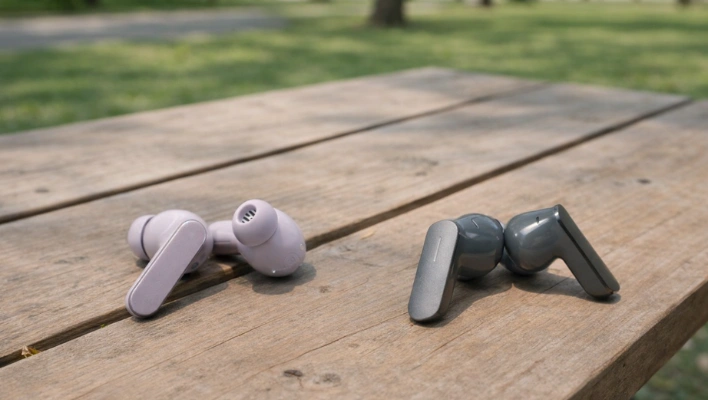
At first glance, both earbuds look almost identical — which isn’t surprising since both come from Realme and follow the company’s established design language.
The charging case is where the most noticeable change happens. Buds Air 7 shipped with a transparent lid, letting you instantly see if the earbuds were inside. Buds Air 8 drops that idea in favor of a traditional opaque lid, adding a textured, leather-like finish that feels slightly more premium in hand.
Apart from that, everything else remains consistent: USB-C charging, front LED indicator, internal pairing button, and solid plastic construction.
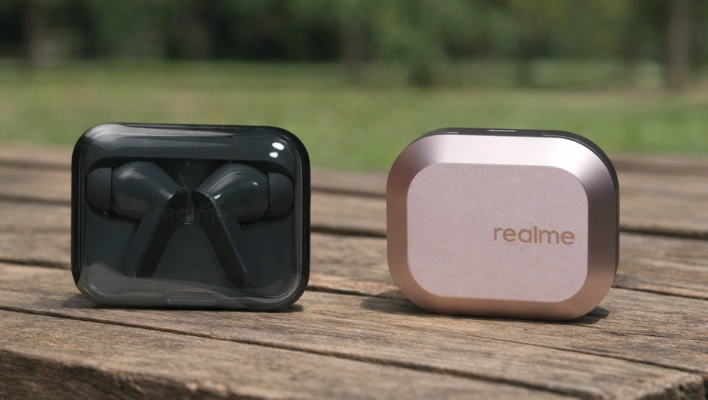
The earbuds themselves are essentially unchanged. Both models are lightweight, comfortable, and stay secure even during workouts or runs. Touch controls respond reliably, silicone tips offer a good seal, and the automatic play/pause sensor works smoothly when you remove or wear them.
Both models also carry IP55 resistance, making them suitable for gym sessions and outdoor use.
In short, comfort and usability remain strong on both generations, and the design difference alone won’t justify upgrading.
Connectivity and Smart Features
Connectivity is another area where both models perform similarly. Each uses Bluetooth 5.4, supports multipoint connections for pairing with two devices simultaneously, and maintains stable low-latency performance suitable for gaming and video streaming.
They also support quick pairing on Android devices through Google Fast Pair, while both Android and Apple iOS users can manage settings through the Realme Link app.
The app allows users to:
- Adjust noise cancellation levels
- Customize touch gestures
- Use EQ presets or create custom sound profiles
- Monitor battery levels
- Switch listening modes
Where Buds Air 8 introduces something new is in AI-powered features, including voice assistant tools and live translation options. Currently, these functions are limited in scope and language support, but they hint at future software improvements once global firmware versions roll out.
Still, for most users, everyday connectivity feels the same between the two models.
Noise Cancellation Gets a Small Boost
One of the clearer improvements arrives in noise cancellation.
Buds Air 7 offers active noise cancellation rated up to 52 dB. Buds Air 8 increases that figure slightly to 55 dB. On paper, the difference is small, and in real use it’s noticeable mainly in louder environments like public transport or busy streets.
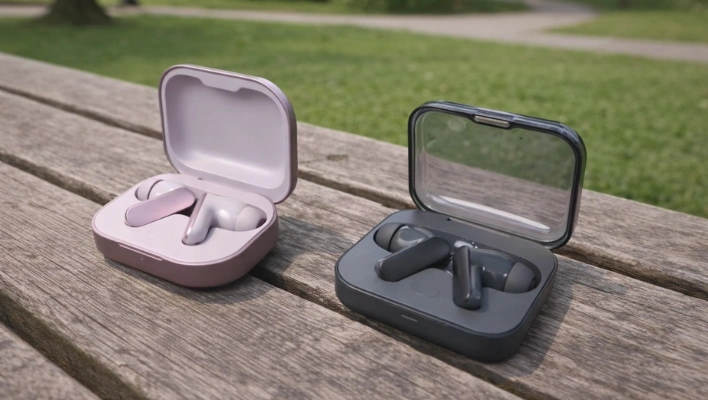
Both earbuds avoid the uncomfortable ear pressure sometimes associated with aggressive ANC, which is good news for long listening sessions.
So yes, Buds Air 8 cancels noise slightly better — but not dramatically so.
Sound Quality
Sound quality is where the newer model pulls ahead.
Buds Air 7 already delivered strong performance thanks to its large 12.4 mm dynamic driver. Bass hits hard, overall balance is good, and it performs impressively for its price. However, midrange clarity and fine detail weren’t always perfect.
Buds Air 8 changes the formula by introducing a dual-driver setup: an 11 mm dynamic driver paired with a 6 mm tweeter. This combination improves clarity and separation, especially in vocals and high-frequency detail.
Music sounds cleaner, voices stand out more naturally, and overall presentation feels more refined without sacrificing bass power. Casual listeners may not notice immediately, but side-by-side comparisons reveal that the newer model delivers a more polished audio experience.
For music lovers, this upgrade matters.
Calls and Gaming Performance
There’s virtually no difference here. Both models use the same microphone setup and deliver strong call clarity with good background noise reduction.
Gaming performance is also solid thanks to low latency modes, making both earbuds suitable for mobile gaming and video consumption.
Battery Life
Despite the newer model having a slightly larger case battery, everyday usage ends up nearly identical.
With active noise cancellation enabled and volume around typical listening levels, both earbuds deliver roughly seven hours per charge. That’s already competitive in this price segment, and the charging case comfortably extends total listening time across multiple days.
Wireless charging is missing on both, but that’s expected considering their affordable pricing.
Bottom line: battery life shouldn’t influence your decision here.
So, Which Should You Buy?
If you already have the Buds Air 7, there’s really no need to rush into an upgrade. The Buds Air 8 do bring some noticeable improvements, but they aren’t groundbreaking enough to make you want to ditch your perfectly good earbuds.
On the other hand, if you’re in the market for new earbuds and the price difference isn’t too steep, the Buds Air 8 is definitely the smarter long-term investment. You’ll enjoy slightly better noise cancellation and a noticeable boost in sound quality, which makes a difference every time you use them.
That said, the Buds Air 7 still stands out as one of the best budget-friendly options out there, providing fantastic value for your money.
Best Deal:
- Realme Buds Air 8: View on AliExpress
- Realme Buds Air 7: View on AliExpress

Nick, the Co-founder of Earbuds Arena, is a seasoned freelance tech journalist with over ten years of experience covering wearables, apps, headphones, and gadgets. When he’s not immersed in the tech world, you’ll likely find him unwinding with video games, going for a run, or enjoying a game of soccer on the field.