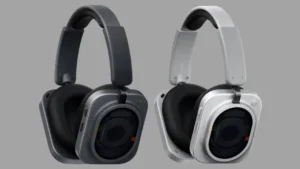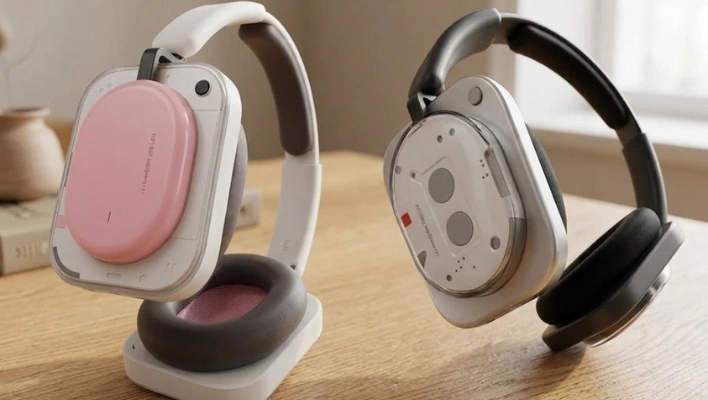
At first glance, the Nothing Headphone (a) and Nothing Headphone (1) might seem pretty similar, but they actually cater to different audiences.
With the introduction of the more budget-friendly Headphone (a), Nothing is expanding its unique design and features to a wider price range, while the flagship Headphone (1) remains their top-tier audio option.
Both models come equipped with some impressive core technologies, including 40mm drivers, Hi-Res Audio support, and compatibility with the Nothing X app.
However, they do have their differences in terms of materials, sound tuning, battery life, and noise-cancelling features.
Let’s dive into a detailed comparison of these two models.
Pricing
The Nothing Headphone (a) is designed to be a budget-friendly choice, debuting at $199 in the US, £149 in the UK, and €159 in Europe.
On the other hand, the premium Nothing Headphone (1) is priced higher, launching at about $299.
Design and build quality
Nothing has really made a name for itself with its design that’s inspired by transparency, and both of these headphones showcase that signature look.
The control layout is also pretty consistent across both models, featuring tactile physical buttons instead of just relying on touch gestures.
The Nothing Headphone (1) is the star of the lineup, showcasing a more premium design and materials. It boasts a higher-end construction that gives it a refined feel, putting it in line with other flagship over-ear headphones out there. The build quality is crafted for those who value both durability and style. Weighing in at about 329 grams, it has a solid, substantial presence.
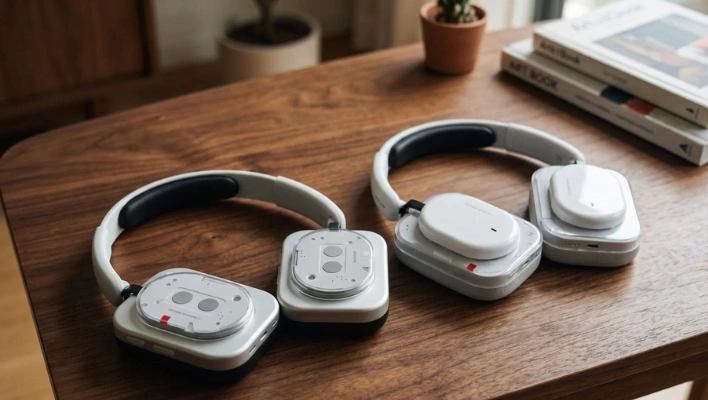
On the flip side, the Nothing Headphone (a) is all about accessibility. It features a polycarbonate build that helps keep costs and weight down. Even with its simpler design, it still carries the brand’s recognizable look and physical control system. At around 310 grams, it’s a bit lighter than the flagship model and comes with a handy lightweight carry pouch for easy transport.
When it comes to color options, they also vary between the two. Headphone (a) comes in White, Black, Pink, and Yellow, giving it a fun and playful vibe, while Headphone (1) sticks to more classic colors that align with its premium feel.
Connectivity and software features
Both headphones integrate with the Nothing X app, which allows users to customize controls, adjust sound profiles, and manage various features.
The Nothing Headphone (a) supports Bluetooth 5.4, along with dual-device connectivity for switching between two devices seamlessly. It also includes Google Fast Pair and Microsoft Swift Pair for quick setup on Android and Windows devices, plus a low-latency mode designed for gaming or video playback.
The Nothing Headphone (1) uses Bluetooth 5.3 and supports dual-device connectivity and LDAC high-resolution audio streaming. Like the Headphone (a), it works with the Nothing X app for customization.
A distinctive feature shared by both models is the tactile control system, which replaces typical touch controls with physical inputs. This includes a roller for volume, a paddle for track navigation, and a multifunction button for playback and calls.
Audio hardware and sound tuning
In terms of hardware, both headphones share similar foundations.
The Nothing Headphone (a) features 40mm drivers with a titanium-coated diaphragm and supports Hi-Res Audio playback. It also includes support for LDAC, AAC, and SBC codecs, ensuring compatibility with both Android and iOS devices. The headphones offer a frequency response range of 20Hz to 40,000Hz, which covers deep bass through to detailed high frequencies.
The Nothing Headphone (1) also uses 40mm dynamic drivers and the same 20Hz–40kHz frequency range. However, its sound profile has been tuned in collaboration with KEF, a well-known name in high-end audio. This partnership aims to deliver a more balanced and refined sound signature, particularly for listeners who care about audio accuracy and detail.
For everyday listening such as streaming music, watching videos, or gaming, both headphones should perform well. However, Headphone (1) remains the better option for users who prioritize premium sound tuning and a more audiophile-oriented listening experience.
Active noise cancellation and microphones
Both headphones include active noise cancellation (ANC), though their capabilities differ slightly.
The Nothing Headphone (a) supports adaptive ANC up to 40dB, which should be effective for reducing common environmental noise such as traffic, airplane engines, or office chatter. It also includes a transparency mode that lets outside sound pass through when needed.
For calls, the headphones use a four-microphone system, combining hybrid ANC microphones with a three-mic algorithm to help improve voice clarity during conversations.
The Nothing Headphone (1) offers real-time adaptive ANC up to 42dB, providing slightly stronger noise reduction. It also uses a six-microphone array—three on each earcup—combined with ENC (Environmental Noise Cancellation) architecture for clearer voice calls.
While Headphone (1) technically has the advantage here, the Headphone (a) should still deliver reliable noise cancellation for commuting, travel, or working in busy environments.
Battery life and charging
Battery performance is where the two headphones differ the most.
The Nothing Headphone (a) packs a 1,060mAh battery, which allows it to deliver up to 135 hours of playback with ANC turned off. Even with ANC enabled, it can reach around 75 hours of listening time, which is extremely competitive in the over-ear headphone category.
Fast charging is also supported. A five-minute charge can provide up to eight hours of playback with ANC disabled.
The Nothing Headphone (1) includes a slightly smaller 1,040mAh battery. It offers up to 80 hours of playback with ANC off and around 35 hours with ANC enabled when using AAC playback.
Fast charging is supported here as well, though the boost is smaller. A five-minute charge delivers roughly five hours of playback with ANC turned off.
In short, the Headphone (a) has a significant advantage in battery endurance, making it particularly appealing for frequent travelers or users who want fewer charging interruptions.
Nothing Headphone (a) vs Headphone (1): Specs Comparison
| Specification | Nothing Headphone (a) | Nothing Headphone (1) |
|---|---|---|
| Launch Price | $199 / £149 / €159 | Around $299 |
| Design | Transparent-inspired Nothing design | Premium transparent-inspired design |
| Build Material | Polycarbonate | Premium materials |
| Weight | 310 g | 329 g |
| Colors | White, Black, Pink, Yellow | Traditional color options |
| Drivers | 40mm drivers with titanium-coated diaphragm | 40mm dynamic drivers |
| Sound Tuning | Standard Nothing tuning | Tuned by KEF |
| Frequency Response | 20Hz – 40,000Hz | 20Hz – 40,000Hz |
| Hi-Res Audio | Yes | Yes |
| Audio Codecs | LDAC, AAC, SBC | LDAC, AAC, SBC |
| Active Noise Cancellation | Adaptive ANC up to 40dB | Real-time adaptive ANC up to 42dB |
| Transparency Mode | Yes | Yes |
| Microphones | 4 microphones | 6 microphones |
| Battery Capacity | 1,060 mAh | 1,040 mAh |
| Battery Life (ANC Off) | Up to 135 hours | Up to 80 hours |
| Battery Life (ANC On) | Up to 75 hours | Up to 35 hours |
| Fast Charging | 5 min charge = 8 hours playback | 5 min charge = 5 hours playback |
| Bluetooth | Bluetooth 5.4 | Bluetooth 5.3 |
| Dual Device Connectivity | Yes | Yes |
| Fast Pair | Google Fast Pair, Microsoft Swift Pair | Supported |
| App Support | Nothing X app | Nothing X app |
| Controls | Roller, paddle, multifunction button | Roller, paddle, multifunction button |
Which one should you choose?
When it comes to choosing between these two headphones, it really boils down to what matters most to you.
The Nothing Headphone (1) is perfect for those who prioritize top-notch audio quality and a premium feel. With sound tuning by KEF, a slightly stronger active noise cancellation, and high-quality materials, it’s the go-to for anyone who truly values sound fidelity.
On the other hand, the Nothing Headphone (a) is all about offering great value and practicality. It’s lighter, comes with modern connectivity options, and boasts an impressive battery life, all while keeping many of the flagship features intact.
For a lot of users, especially those in search of a feature-packed pair of over-ear headphones that won’t break the bank, the Headphone (a) might just be the more appealing everyday option.
Best Deals:
Nothing Headphone (a): View on Amazon
Nothing Headphone (1): View on Amazon

Nick, the Co-founder of Earbuds Arena, is a seasoned freelance tech journalist with over ten years of experience covering wearables, apps, headphones, and gadgets. When he’s not immersed in the tech world, you’ll likely find him unwinding with video games, going for a run, or enjoying a game of soccer on the field.